Hot New Post. Sustainable Architecture for Future Urban Environments

2019谷歌SEO新策略:问题类关键词布局与页面优化

相关问题搜索,是Google整体搜索类型中重要的组成部分。全球互联网实时统计数据表明,2018年Google每天有大约35亿次搜索,而2018年发布的关于Moz的Jumpshot研究显示,大约8%的搜索均来自于问题搜索。

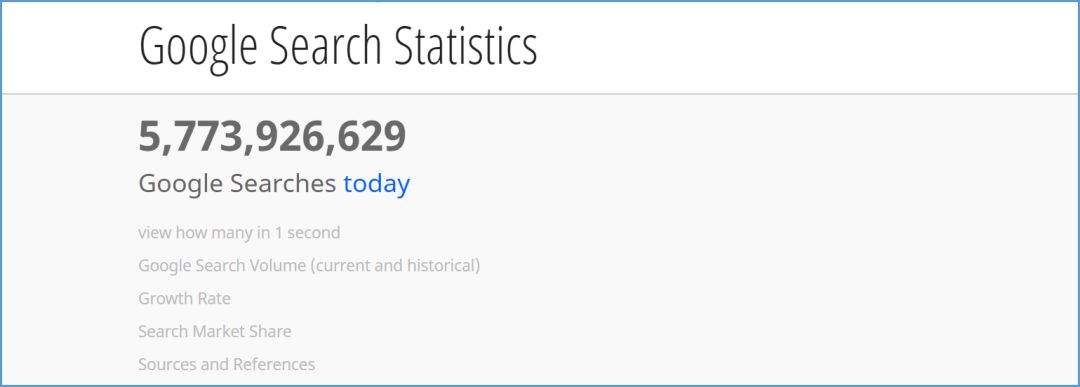
截止到我写这篇文章的时间为止,也就是2019年1月17日晚上10点整,Google当日总搜索量已经突破了57亿。如果按照8%的比例计算,今日约有4亿多的搜索类型,为相关问题搜索。

基于上述统计数据,我们不难得出结论:优化网站问题类关键词,将对网站有机流量获取、外链建设、产品线上订单转化等SEO指标,产生深远影响。

通过这篇文章,笔者将向所有读者解释:

1. 谷歌如何通过问题类搜索模式,检索、匹配、展示相关答案页面。

2. 如何让我们的网站,在这种搜索模式下,优先展示给用户。

首先,我们需要了解Google关于,相关问题类关键字的搜索与展现算法。

在使用Google进行搜索的时候,可以看到两个始终不变的模块:Searches Related To 和 Auto-Suggest。这两个模块汇总出的关键词建议列表,均由Google语义搜索技术提供。
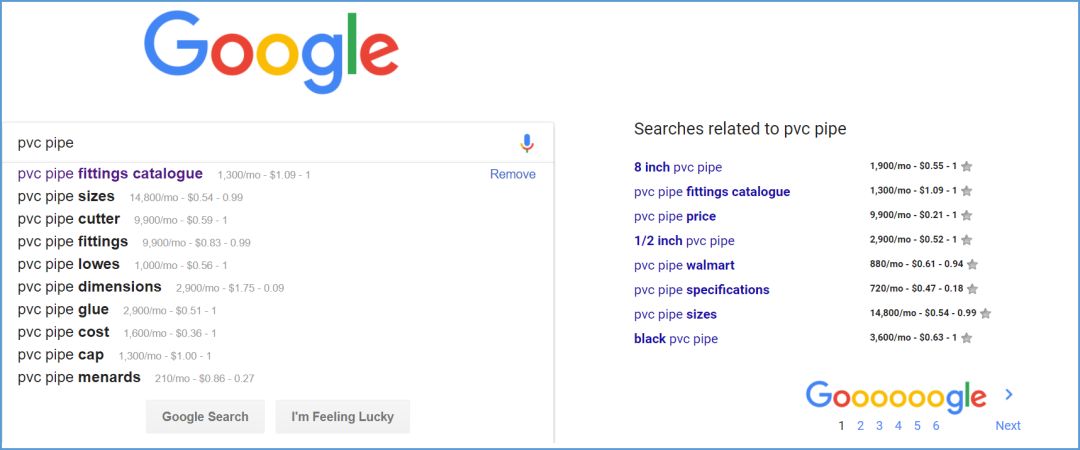
语义搜索和问题关键词之间存在重要关系,Google可以借助语义搜索识别问题关键词中存在的核心实体(核心词)。

接下来,我们要了解语义搜索和由语义搜索驱动的Google蜂鸟算法。

什么是语义搜索?

语义搜索是“有意义(具体含义)的搜索模式”。

“语义学”是对单词及其逻辑的研究,语义搜索本质上是一种数据搜索技术,它在呈现搜索结果之前,能够理解单词的含义并确定用户的意图。

语义搜索考虑了以下因素:

A-自然语言理解。

B-用户搜索目的理解。

C-查询环境理解。

D-实体识别。
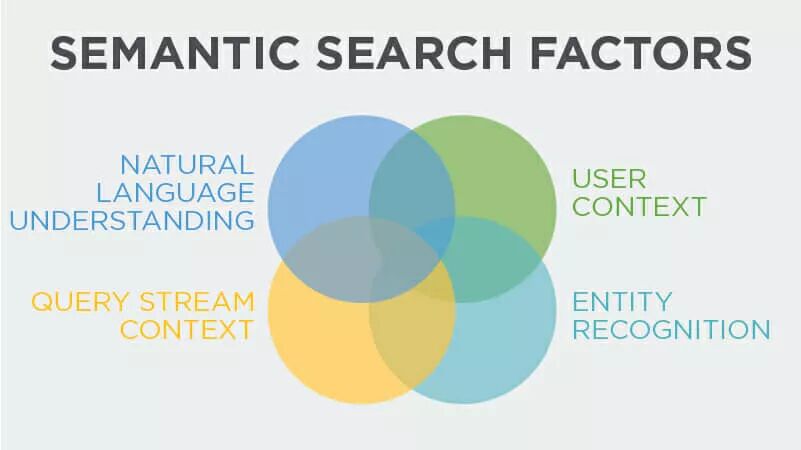
因此,Google实际上在处理搜索查询时应用了语义搜索技术。每当您输入任何搜索查询时,Google都会理解自然语言并从查询中选择对象。然后,它会分析一组文档,并在代码字段中向用户显示答案。这就是Google语义搜索的工作流程。

什么是Google蜂鸟算法?

蜂鸟算法由Google在2013年正式官宣发布,它使谷歌在搜索展现上,成为一个更快,更精准的搜索引擎。
与只关注关键字的旧算法相比,蜂鸟算法的出现,使得谷歌从读懂“字符串”时代,进化为能够理解“事物与意图”的人工智能1.0时代。

之所以称之为“UPDATE”,是因为蜂鸟算法随着Google人工智能的发展,不断进行优化升级。如今,Google已经可以从用户输入的字符串,识别实体并进行相关字符串匹配。宏观上看,就是能够精确理解用户的搜索意图与输入环境。

在了解Google语义搜索与蜂鸟算法以后,我们就要知道Google支持的问题搜索类型有哪些,这将直接帮助我们确定最佳问题类关键词以及推广的内容。

Google回答问题的类型,最为突出的有以下几种:

1-直接可以回答的问题(DAQ)

这些问题关键字以“What”,“ Which”,“ Where”,“ Who”,“ When”,“ Why”等疑问词开头。

比如,搜索者问到“我们银河系的名称是什么?”时,他的目的是得到一个直接答案,在这种情况下,Google会直接给出答案:银河系。
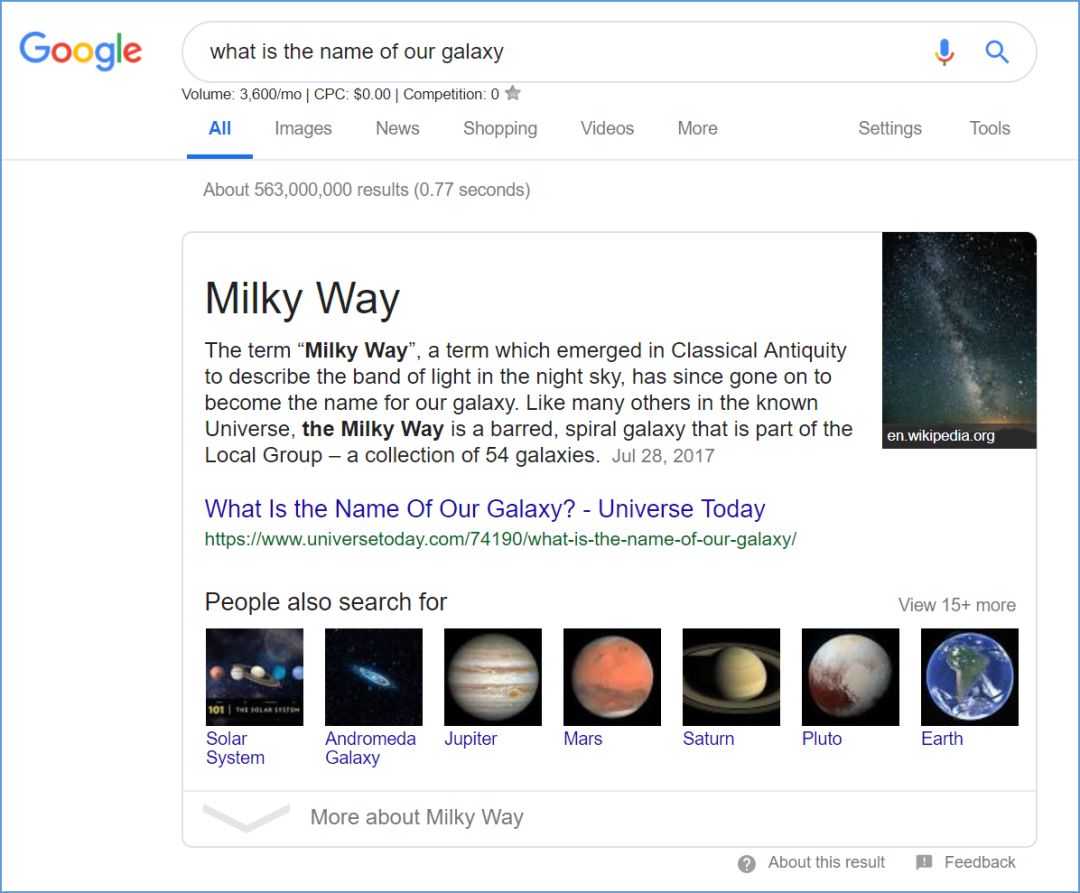
与此同时,Google会结合Quora、Wiki等最具权威性的问答数据库,给出精准答案。比如像“世界上最大的河流?”这样的问题,谷歌在准确预测Quora等问答网站的答案后,会直接回答“亚马逊”。
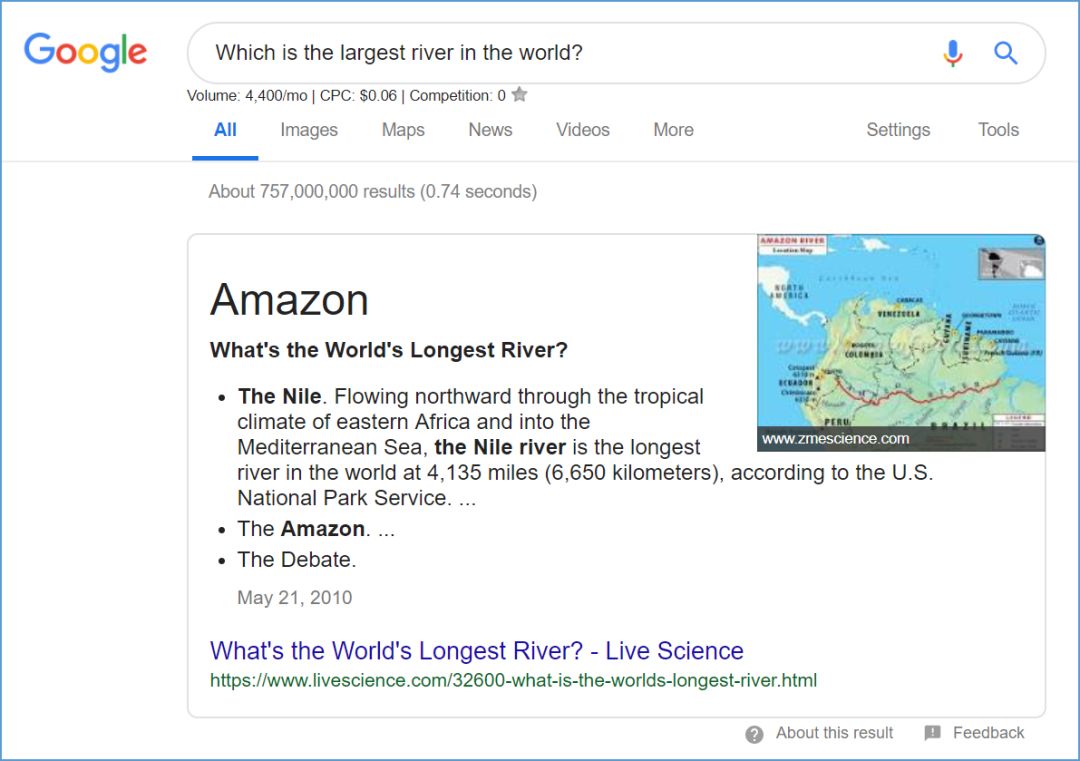
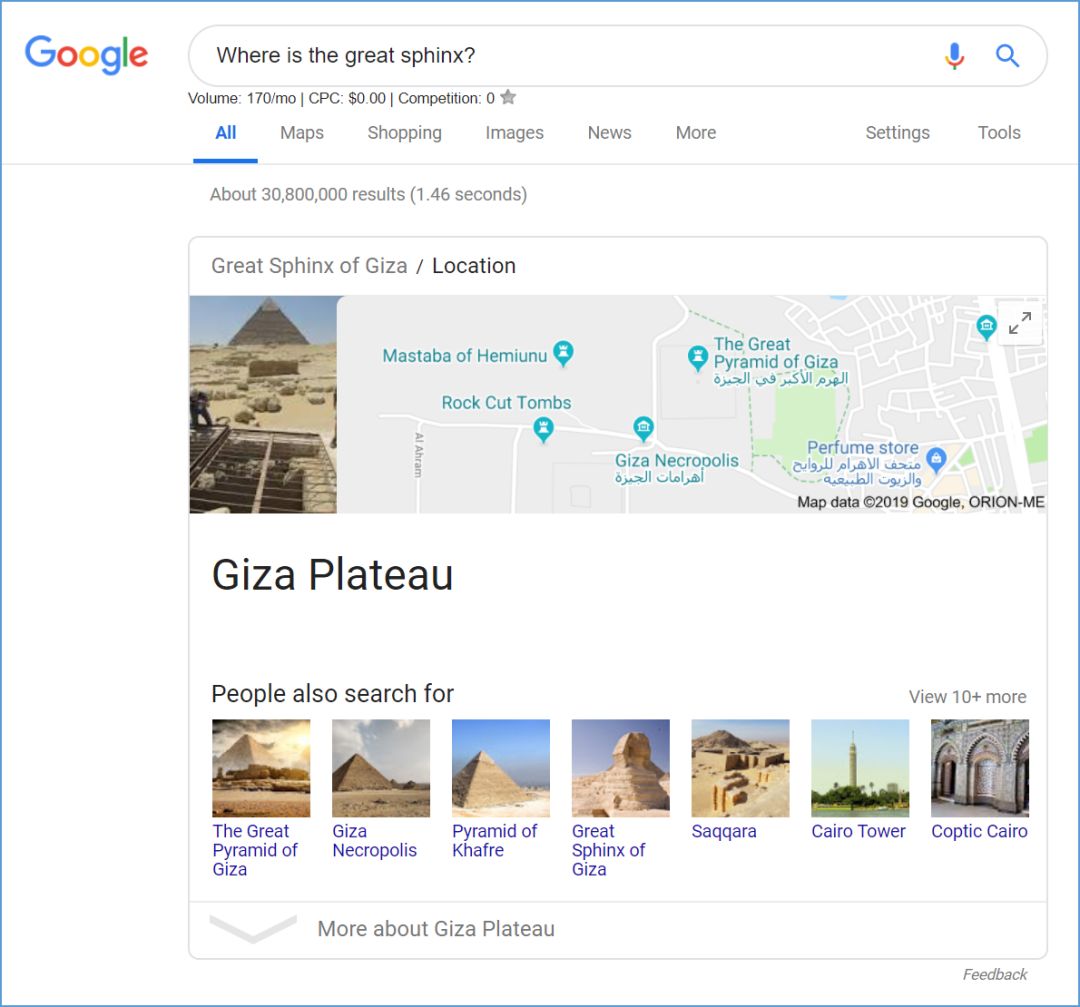
对于像“狮身人面像在哪里?”这样的问题,Google会直接回答“Giza Plateau”,它直接来自Google知识图。
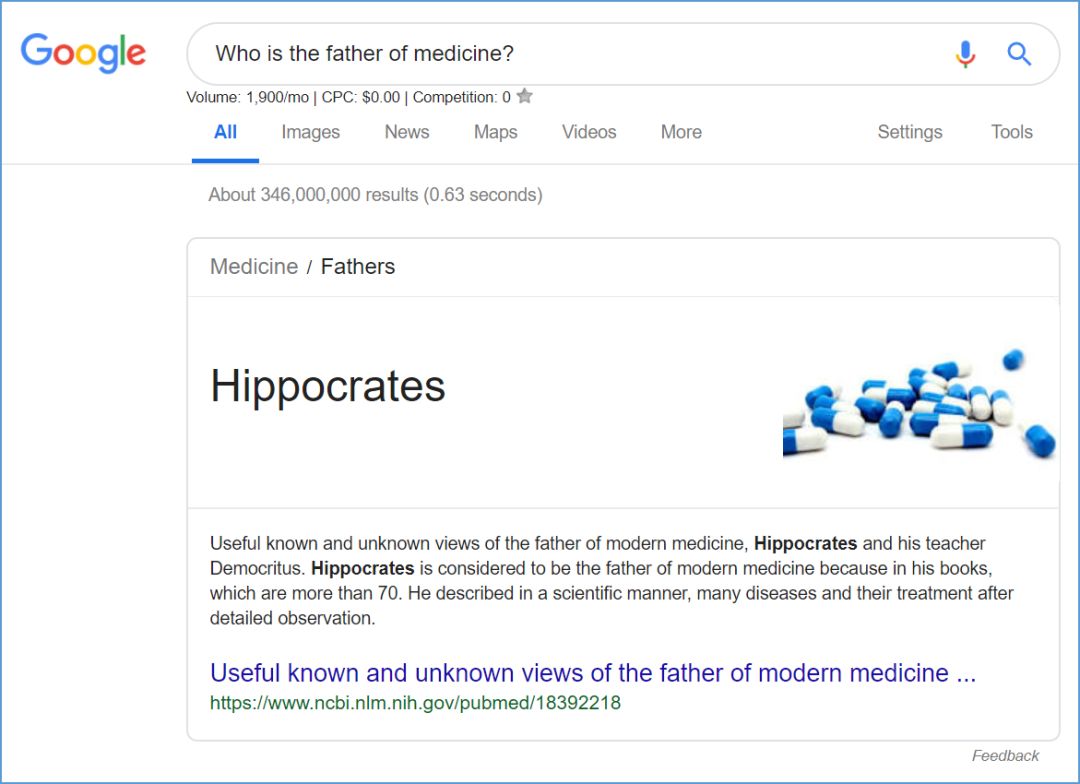
对于像“谁是医学之父?”这样的问题,Google则会直接从被它收录、索引的网站中,获取的直接答案“希波克拉底”。
2-简答题式问题(SAQ)

这些问题以“Why”,“Can”等疑问词开头。

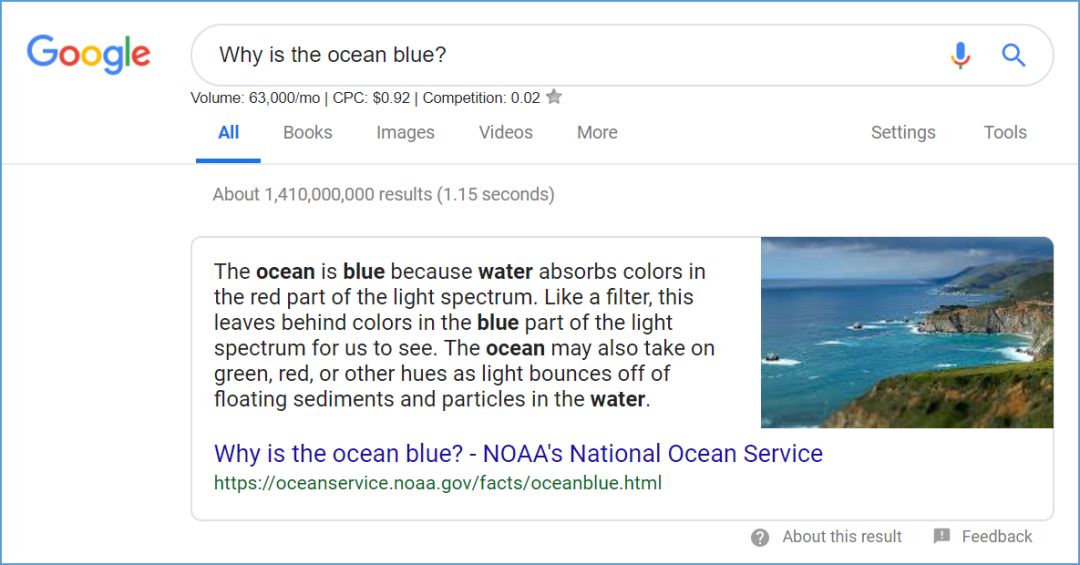
比如搜索者询问诸如“为什么是海蓝色?”之类的问题时,Google会根据疑问词返回一个回答片段,准确地提供对所询问问题的解释,如下面的屏幕截图所示:
3-长答案问题(LAQ)

这些问题以“How to”,“What”等疑问词开头。

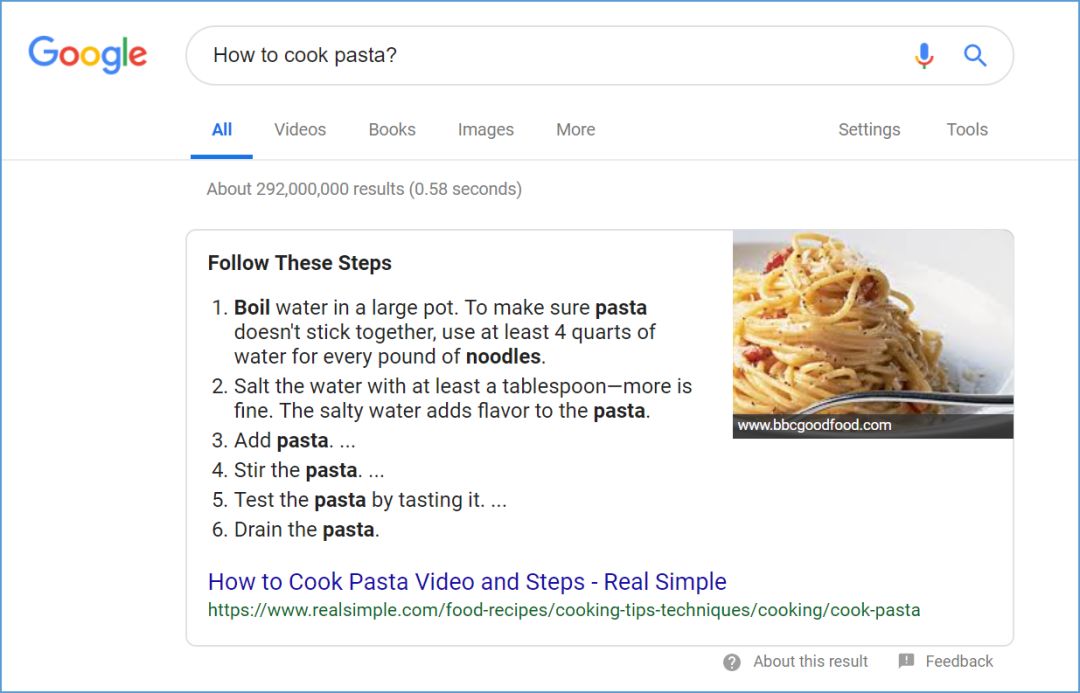
比如搜索者提出诸如“如何烹制面食?”之类的问题时,Google将倾向于Step-By-Step的答案,并且需要答案描述解决问题的整个过程。在这里,搜索者的意图是以最佳方式学习该过程。Google会准确预测用户的意图并展示搜索结果。
以上是Google算法中关于问题类型的3种主要描述。围绕这些问题类型,我们该如何选择自己的问题类关键词呢?

工具一:SEMrush

SEMrush查找包含了基于核心关键字展开的问题类关键字。 我们需要做的就是在登录SEMrush帐户后,在关键字魔术工具(Keyword Magic Tool)中输入您的主要关键字,该工具将自动生成许多相关的问题关键字。
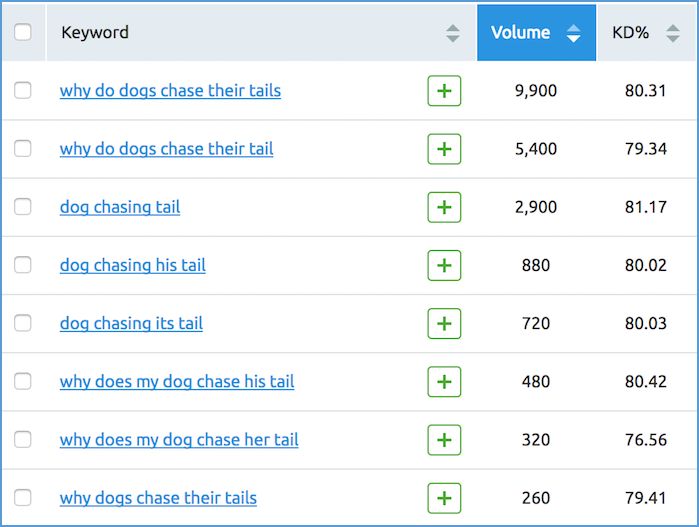
SEMrush支持数据导出功能,用户可以将所有的问题类关键词导出,留作内容创作。

工具二:SerpStat

使用SerpStat搜索问题功能查找大量相关问题关键字。我们可以通过Keyword Research -> SEO Research找到此工具。只需输入核心关键字,然后单击 Content Marketing -> Search Questions部分,就将生成按国家/地区和最常用词汇排序的问题列表。
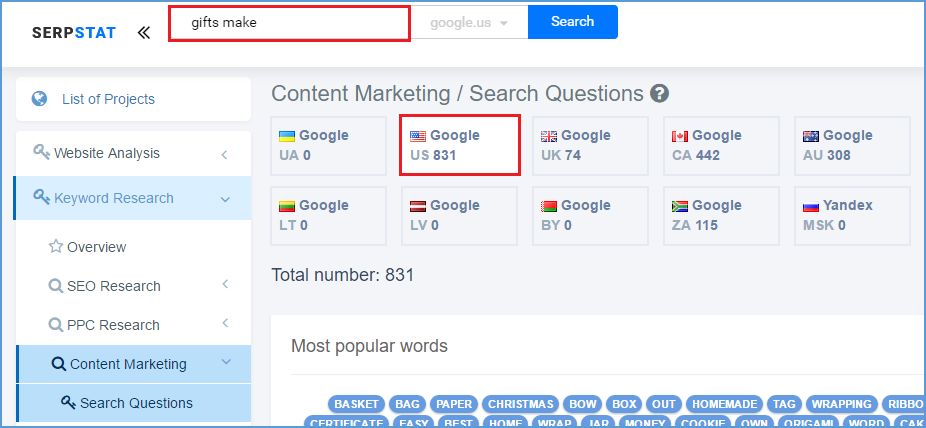
与此同时,AnswerThePublic也是一个非常专业的问题类关键词挖掘工具,强烈推荐。

AnswerThePublic工具详细使用流程,可以阅读《解读谷歌SEO误区:为什么91%的内容页面,无法带来Google流量》。

那么,在挖掘了这些问题类关键词之后,该怎么做文章的优化和布局,来获得Google排名呢?

A. 直接可以回答的问题(DAQ)的页面优化策略

·开门见山。在文章第一句或者第一段,陈述问题,并且马上给予最为直接的回答。这样以便Google更容易将网页标记为最佳答案。

例如:对于诸如“NASA的完整形式是什么?”之类的问题,请尝试直接回答“NASA的完整形式是美国国家航空航天局”。

·不要突然结束答案。相反,在直接回答问题之后,继续详细说明答案的由来、答案论证的过程、意义与影响; 这将为答案和整体内容提供足够的依据(权威性)。

B. 简答题式问题(SAQ)的页面优化策略

·以Q&A格式编写内容。首先回答问题,然后正确地/详细地说明问题。如下所示:
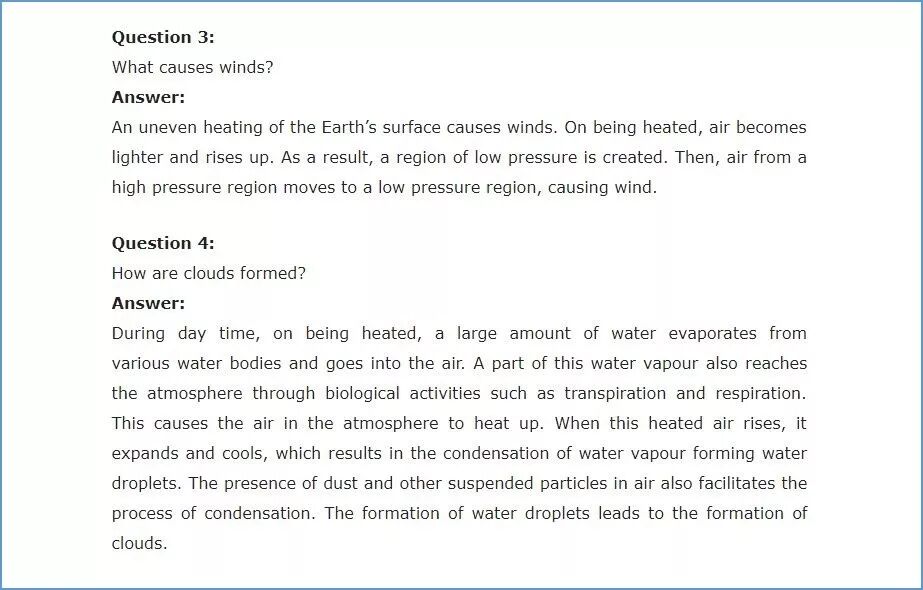
同时要注意文案应该清晰易懂,不要用一些生僻的字词进行解释和描述。

C. 长答案问题(LAQ)的页面优化策略

·视频通常可以更好地回答长答案问题(LAQ)。但如果选择了视频形式,就要视频内容的相关性和实用性。

视频,通常对于搜索者正在寻找创建某些内容的过程搜索非常有用。例如,对于诸如“如何绘制房间”之类的查询,Google会推荐一个YouTube视频,该视频提供了绘制房间的过程。
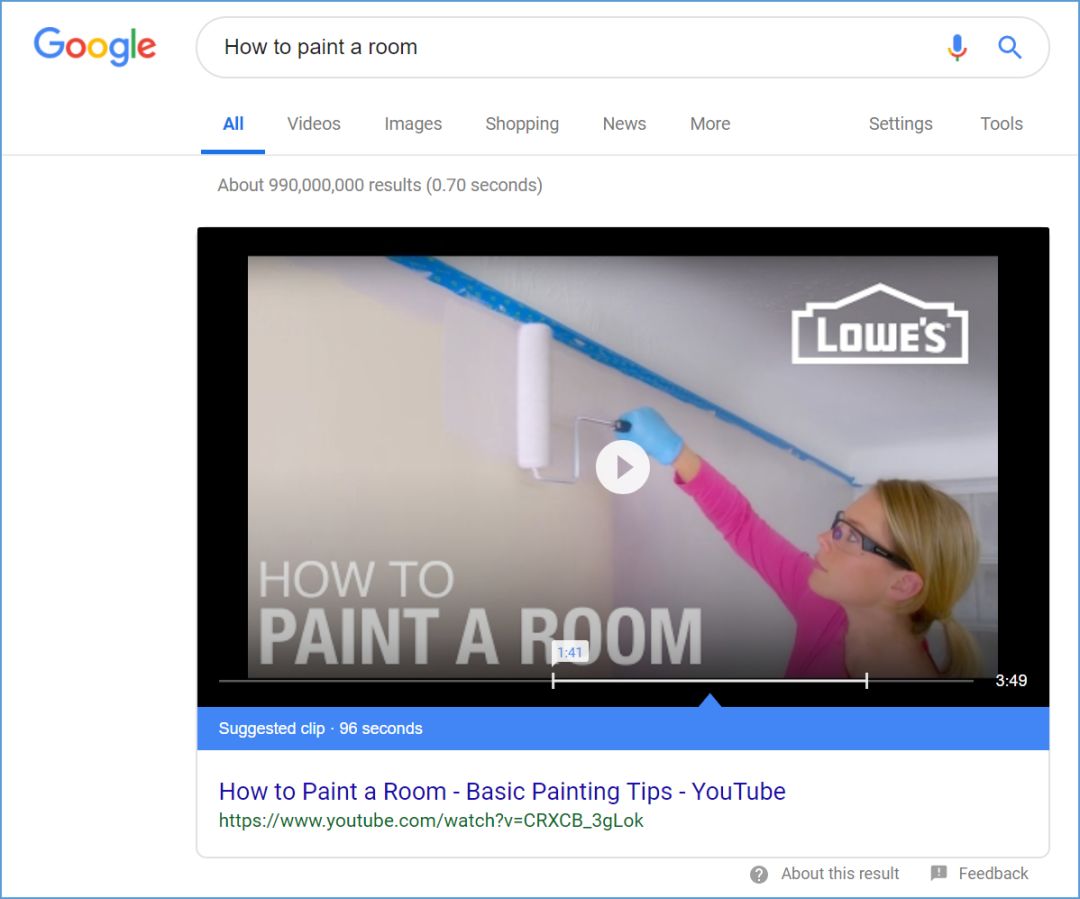
需要强调的是,YouTube视频在搜索结果中具有优先展示权,因此在问题类文章中插入YouTube视频,是一个非常好的选择。

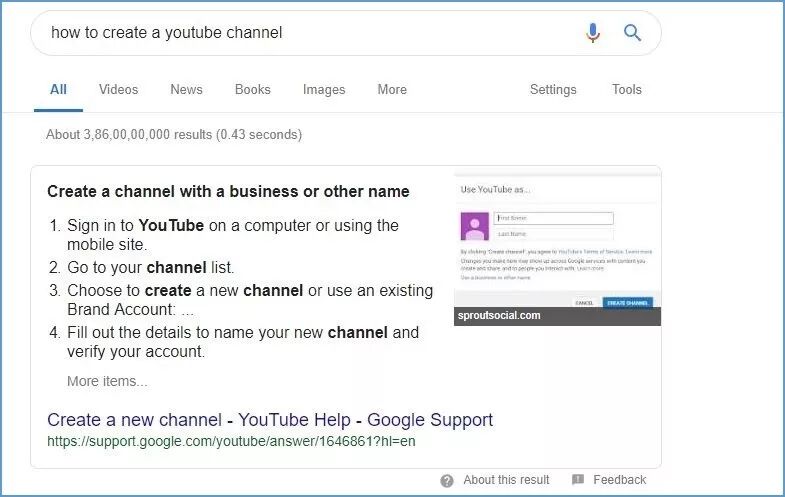
·使用Step-By-Step逐步操作形式来回答LAQ。这些教程式的操作流程,在抓取大量有机流量方面非常有用。例如,对于“如何创建YouTube频道”等搜索,Google的操作流量将优先显示在答案框中。
·可以使用列表格式回答一些问题。Shopify的这当面的资源,是列表文章很好的一个的范例,比如它提供的既全面又详尽的低投资商业理念列表。

·在描述每个步骤时使用信息图。没有相关指示性的图片,会使得问题流程看起来很不完整。
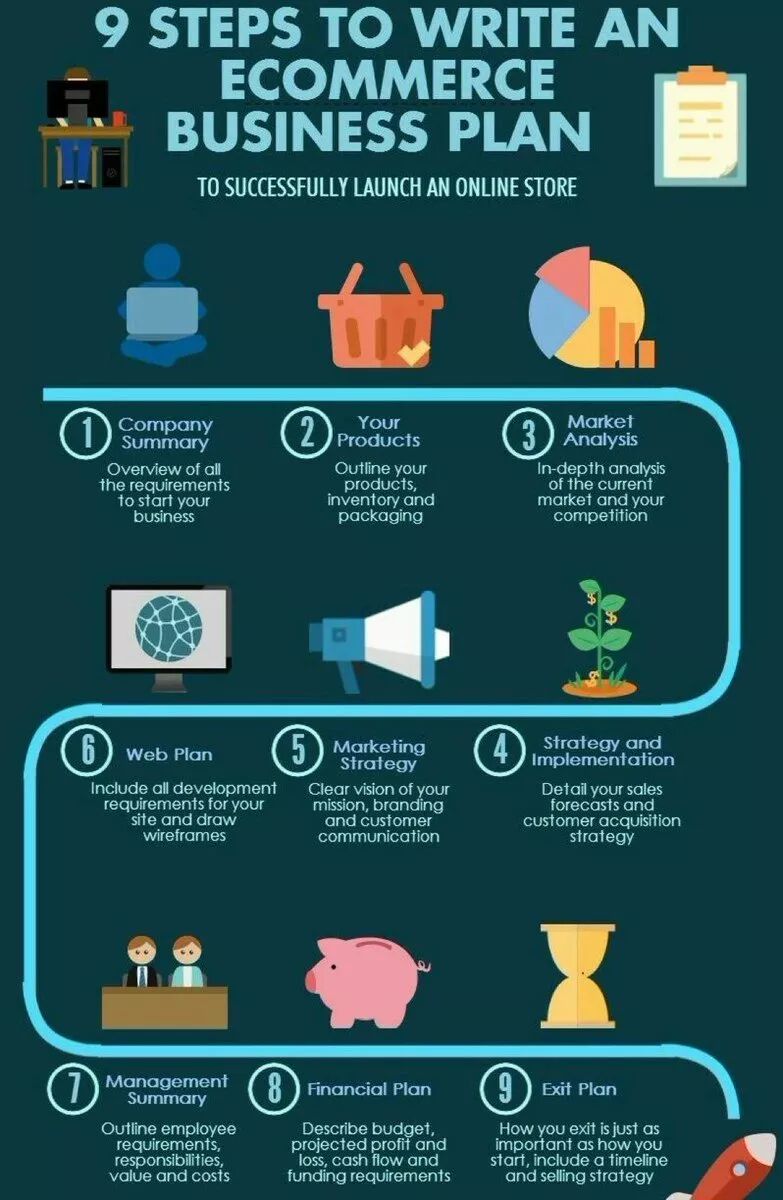
·尽量保持回答的内容与问题类关键词高度相关。特别要在文章中,多次提及关键词或者关键词相关词,这样可以保持关键字的密度。建议关键词密度在5%左右。

In Conclusion,问题类关键词布局与页面优化,对于一个网站的Google排名越来越重要,尤其在Google流量巨大的2019年。更加专业、权威的内容创建,绝大多数基于你是否能够挖掘一些相关热点问题,并且给予全面剖析、深度分析、合理化建议。

看到这里,你对于问题类关键词布局和页面优化,是否还存有疑问呢?

请留下你的疑惑,笔者稍后为大家详细解答~~

Add a comment Add a comment

Leave a Reply

Your email address will not be published. Required fields are marked *

Previous Post

解读谷歌SEO误区:为什么91%的内容页面,无法带来Google流量

Next Post

2019谷歌排名 | Sexy内容营销的6大SERP元素优化